- About Us
- Who We Are
- Our Work
- About the Coast
- Environment Management
- Access & Use
- Permissions
- Explore
- Learn & Do
- Get Involved
- Stay

Latest News
Close X14 September 2026
Looking for summer work? Join our team by the coast
Barwon Coast is recruiting at least 15 Casual Cleaning Officers to join our caravan park and campground team for the busy 2026-27 peak season.
9 September 2026
Barwon Heads Nature Festival returns this September
The Barwon Heads Nature Festival is back from Monday 21 to Friday 25 September
27 August 2026
New Hooded Plover nest at Thirteenth Beach
A new Hooded Plvoer nest has been discovered on 13th Beach
19 August 2026
Have your say on draft playground designs for Barwon Heads Caravan Park
Barwon Coast is inviting the community to help shape the designs of two playgrounds at Barwon Heads Caravan Park,
6 August 2026
Final Bancoora Coastal Adaptation Plan now available
The final Bancoora Coastal Adaptation Plan (CAP) is now available.
Join us for a safer summer!
Enjoy our beautiful coastline… safely
Report Dog Compliance Issues or Dog Attacks
City of Great Geelong Animal Control Unit
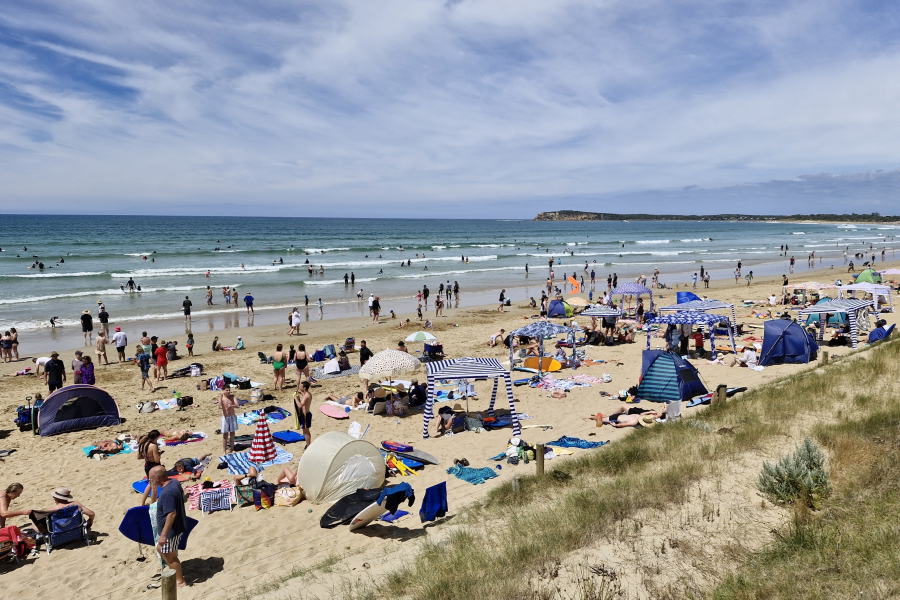
Our stunning stretch of coastline is a place to relax, explore and connect with nature. Whether you are swimming, walking, riding or enjoying time with friends and family, a little awareness goes a long way in keeping everyone safe. Conditions can change quickly, beaches can get busy and coastal wildlife needs space to thrive.
This page brings together simple tips to help you stay safe, look out for others and care for the places we all enjoy. From understanding the water and tides to sharing paths, managing heat, and protecting wildlife, these guides will help you make the most of your time on the coast.
Bridge and jetty jumping
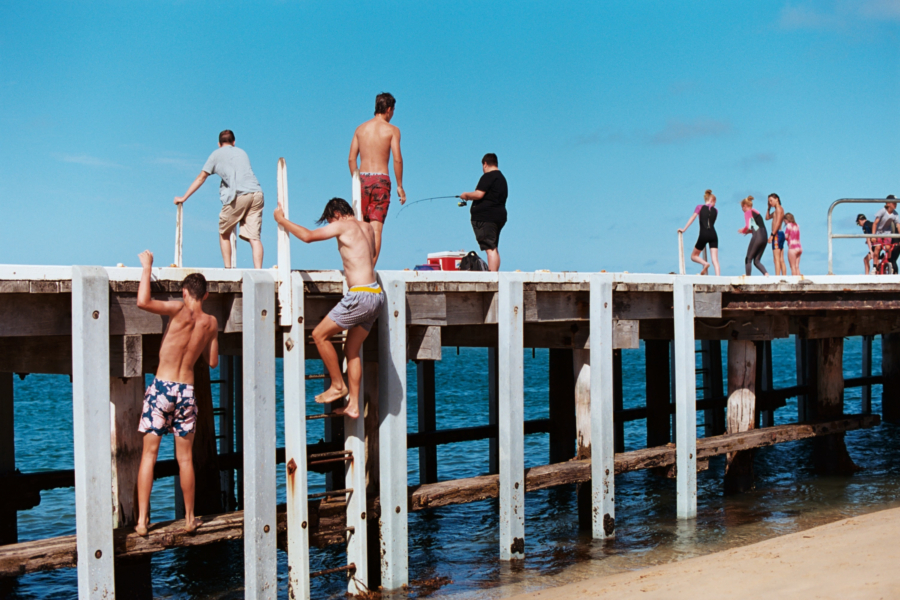
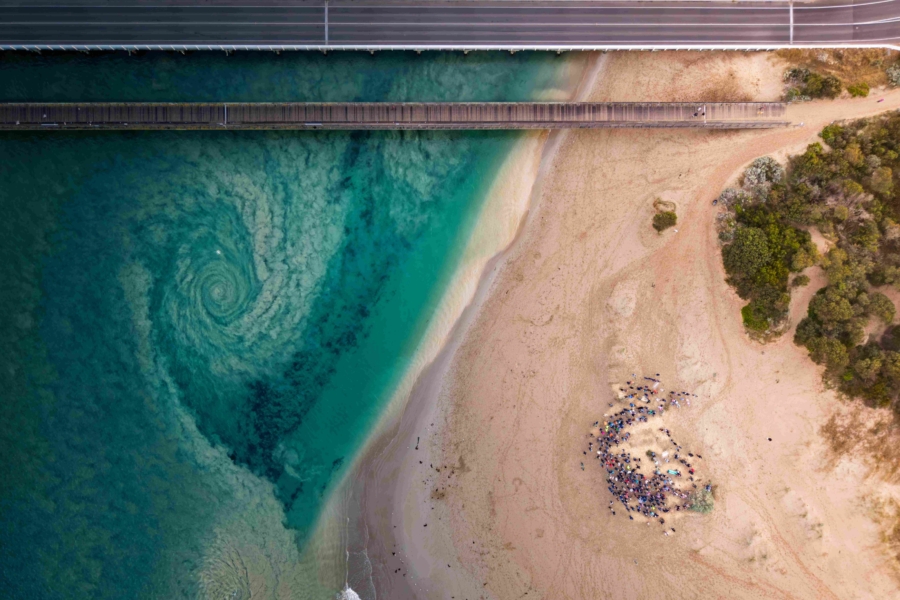
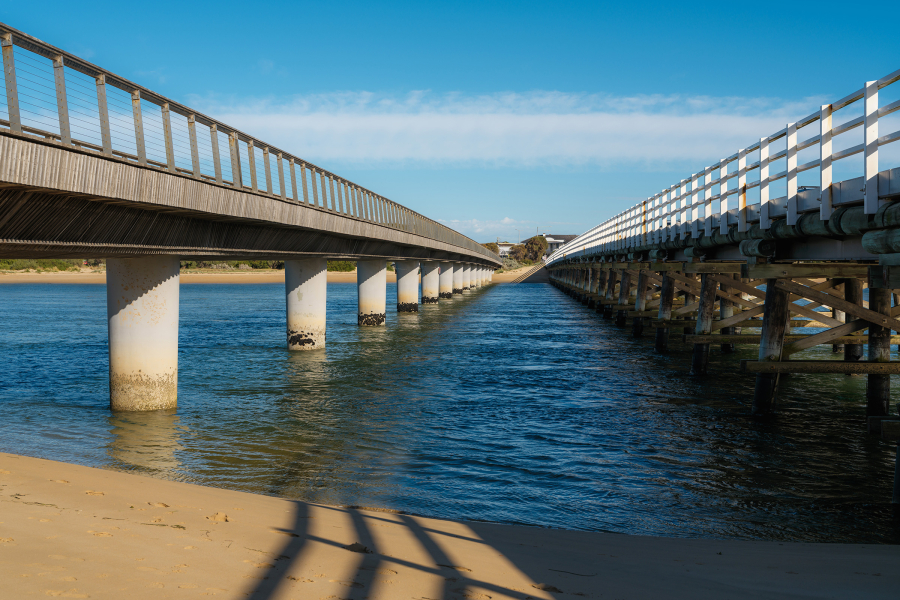
Jumping or diving from piers, bridges and jetties can seem tempting on a hot day, but the risks are far greater than most people realise. Natural waterways change constantly. Tides, shifting sand and unexpected hazards such as submerged debris can make the depth and conditions different every time. What looks like a safe jump can quickly lead to serious spinal injuries or even death, especially in places like the Barwon Estuary where underwater conditions can’t be seen from the surface.
We are encouraging everyone to skip the jump and choose a safe entry point instead. Using designated access points helps protect you, your friends and your family so you can enjoy the coast with confidence. Your safety comes first, and taking a moment to choose the safer option makes all the difference.
e-Bike and e-Scooter safety
Riding an e‑bike or e‑scooter can be fun and convenient – but only when done safely and within the rules. In Victoria, you must wear a helmet, ride in designated areas, stay under the speed limits and always keep the safety of yourself and others front of mind. The laws apply to e‑scooters too – you must be 16 or older, stay off footpaths, keep your speed under 20 km/h and avoid distractions like using your phone.
Understanding the legal side of riding helps you stay safe and avoid fines or worse. Before you head out on your ride, check that your vehicle is compliant and the path or road you’re using is permitted – it’s the smart, legal and safe choice.
For full details, check out the information from Victoria Police:
Boat Safety
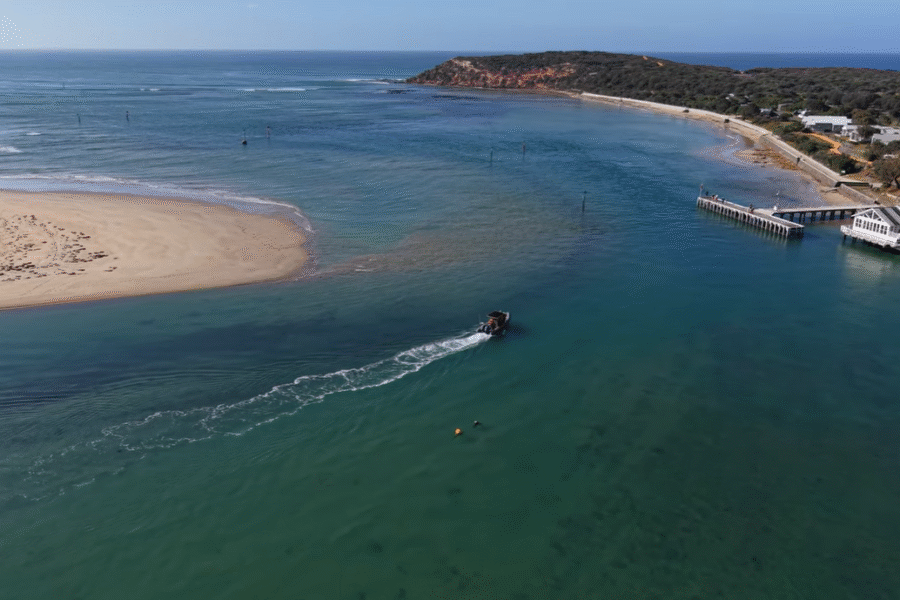
Boating on the Barwon River is an iconic Aussie adventure – a chance to enjoy our beautiful waterways with family and friends. But crossing the river bar can be risky, so preparation is key to making sure you come home safely. Check weather, wind, tide, and swell forecasts, understand navigational aids, and always wear a lifejacket. Conditions can change quickly, so be flexible and stay alert, especially in low visibility or strong swell.
Make the most of your day on the water by using tools like the free DECKEE app, which provides maps, alerts, and safety information for Victorian recreational boaters. For more advice and guidance, visit our Boating and Ports webpage.
Water Safety
Rip currents
Rips are the number one hazard on Australian beaches. On any given day, there are about 17,000 rips at beaches around Australia.
Can you spot a rip? Life Saving Victoria and Surf Life Saving Australia and The Age produced an interactive resource aimed at educating people about rip currents, how to spot them and what to do if you are caught in one. Surf Life Saving Australia also has range of educational videos available online about rip currents, including:
A range of multilingual resources about rips are also available on the Surf Life Saving Australia website.
Understanding the Tides
A beach can seem like a wide playground, but tides can come in quickly, and water depth changes throughout the day. To stay safe, it’s important to check tide tables or local tide trackers before heading out and to remain aware of your surroundings while at the beach.
At most locations, it takes about 6 hours to go from low tide to high tide, though in some areas it can take up to 12 hours. For local tide information at Barwon Heads Main Jetty, check the tide tracker. For more general knowledge about tides and how they work, visit the BOM Tides and Sea Level resources. Understanding tides helps you enjoy the coast safely and avoid being cut off by rising water.
Swim between the flags
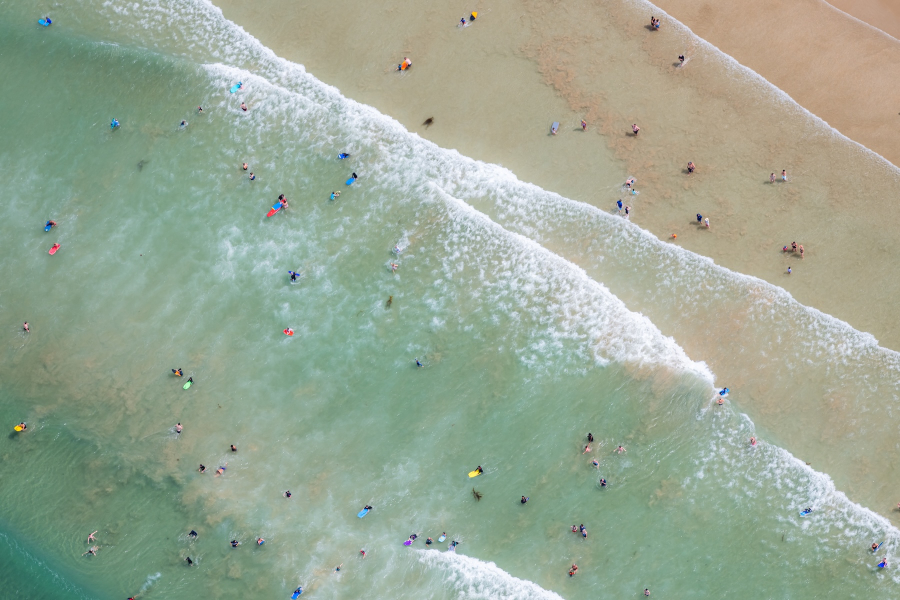
Swimming between the flags is the safest way to enjoy the waves. Patrolled beaches have lifesavers and lifeguards keeping watch to help if you get into trouble. If you’re unsure about the conditions or where to swim safely, you can ask a lifesaver or check BeachSafe to find a nearby patrolled beach and get up-to-date information on conditions. Always swim between the flags to make your time at the beach fun and safe.
Drowning Risk
Beaches are iconic, but they can also be dangerous. Drowning is silent, so it’s important to stay alert, swim with mates, and know your limits. Always swim at patrolled beaches between the red and yellow flags, where lifesavers and lifeguards can keep a watchful eye and help if needed.
To keep your family safe, supervise children around water, wear lifejackets when boating or paddling, avoid alcohol, and check the conditions before you enter the water. We want everyone to come home safe from a day at the beach – making simple choices like swimming between the flags can save lives.
Keeping your kids in reach
Children are most at risk around water, and it only takes 20 seconds for a drowning incident to occur. Always actively supervise your children – keep those under 5 within arm’s reach and children under 10 always in sight. Supervision means constant visual contact, not a quick glance while reading or watching from inside the house.
Prepare in advance to minimise the risk of leaving a child unsupervised by having towels, sunscreen, dry clothes, and your phone ready before swimming or bathing. Learning swimming, water safety, and lifesaving skills further protects your children.
Staying Safe by the Coast
Dogs on Beaches
Dogs love the beach just as much as we do, and following the Dog Control Orders helps everyone enjoy the coast safely and respectfully. These rules protect local wildlife, safeguard sensitive coastal areas, and ensure all visitors can share the shoreline comfortably. By knowing when and where dogs are permitted and keeping them under control, you’re helping to look after the coast and keep it a welcoming place for both people and pets.
Respect and protect local wildlife
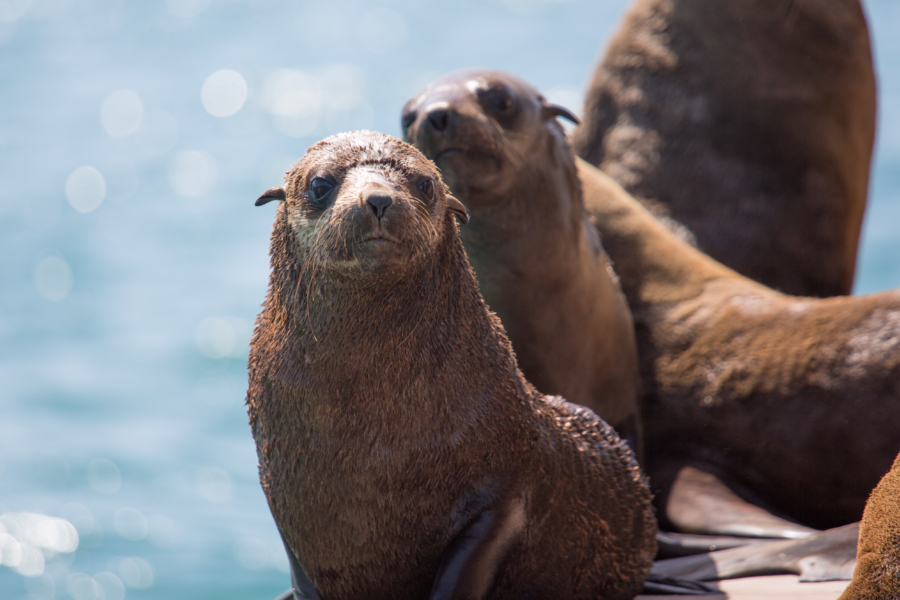
Our coastline is home to incredible wildlife, and giving animals the space they need helps keep them wild and safe. While it is exciting to spot birds or marine animals, always watch from a distance and never approach them. Keeping your dog on a leash around wildlife is an important way to avoid disturbance or harm. Discarded fishing tackle and netting can be deadly for seals, penguins and other marine animals, so please dispose of all rubbish and fishing gear responsibly.
If you see a seal or other wildlife resting on the beach, stay well back, keep your dog leashed and do not touch, feed or move the animal. If you believe it may be injured, call Barwon Coast on (03) 5254 1118 or the Marine Response Unit on 1300 245 678. Your care helps protect the animals that make our coast so special.

Sun and heat safety
Enjoying the sun safely is easier than you think. Simple steps like wearing sunscreen, protective clothing, seeking shade, and staying hydrated can make a big difference. Skin cancers account for 80% of all cancers diagnosed in Australia each year, so protecting your skin could save your life.
Heatwaves can affect everyone – not just older people or young children – so it’s important to understand heatwave warnings, prepare in advance, and reduce the impact of extreme heat. The Bureau of Meteorology provides forecasts and alerts for severe and extreme heatwaves, and you can get notifications directly to your phone via the BOM Weather app. Plan outdoor activities for cooler parts of the day, stay hydrated, and take breaks in the shade to enjoy the coast safely.
Love the Coast, Leave No Trace
Loving the coast means leaving it as beautiful as you found it. Take your rubbish home – the only thing you should leave behind is your footprints. Litter doesn’t just disappear; it can travel into waterways, break down into microplastics, and be mistaken for food by marine animals. These plastics can then enter the food chain, affecting wildlife and potentially human health. By disposing of rubbish responsibly, we can protect our wildlife, waterways, and communities while keeping our beaches clean and safe for everyone.
🌿 The Barwon Heads Nature Festival is almost here!
From 21–25 September, Friends of the Bluff are bringing together an amazing program of events celebrating the wonderful natural environment of Barwon Heads. There’s lots to explore, including some fantastic events happening across our coastal foreshore reserves:
🥾 Monday 21 September – Explore Barwon Bluff, plus two Canoe the Mangroves sessions
🌱 Tuesday 22 September – Walk on Country @ Barwon Bluff with @Wadawurrung
🌊 Wednesday 23 September – Orchids in the Park, then Land, Sea, Sky slide night
🔬 Thursday 24 September – Tide & Seek: a family ‘marine science’ day
🧤 Friday 25 September – Barwon Heads Great Spring Clean Up, followed by the Turning the Tide short film festival that evening.
There’s plenty more happening throughout the festival too!
Explore the full program and find out how to get involved: https://www.barwonbluff.com.au/nature-festival/
Congratulations to Friends of the Bluff and everyone involved in putting together another fantastic celebration of our coast. 💚Open post by barwoncoast with ID 18003910007791685
🐌 Go searching for sea slugs at Barwon Bluff!🌊
Did you know Victoria is home to more than 400 species of colourful sea slugs?
Join Parks Victoria (@parksvic ) for a Sea Slug Census in the intertidal rockpools of the Barwon Bluff Marine Sanctuary and see what you can discover.
📅 Thursday 17 September
⏰ 9.30–11.30am
📍 Barwon Bluff Marine Sanctuary
Learn more about these fascinating marine creatures while helping contribute valuable observations to the Victorian Marine Parks Association database and iNaturalist.
Registrations are essential.
Find out more and register via www.parkconnect.vic.gov.au/volunteer-activities (search for `sea slug`)Open post by barwoncoast with ID 18062185166609315
A cuppa, a chat and an important question – R U OK? 💛
Today our team came together for an R U OK?Day morning tea and heard from our Employee Assistance Program provider about the confidential health and wellbeing support available to our staff and their families.
It was a great reminder to make time for genuine conversations – today and every day.
Ask R U OK? Any day. 💛
#RUOKDay #RUOK #WorkplaceWellbeingOpen post by barwoncoast with ID 18120793300911347
🥚 Hoodie nest update!
We’re pleased to share that there are currently two active Hooded Plover nests – at Blue Rocks and near Signpost at 13th Beach – each with three eggs. 🤞
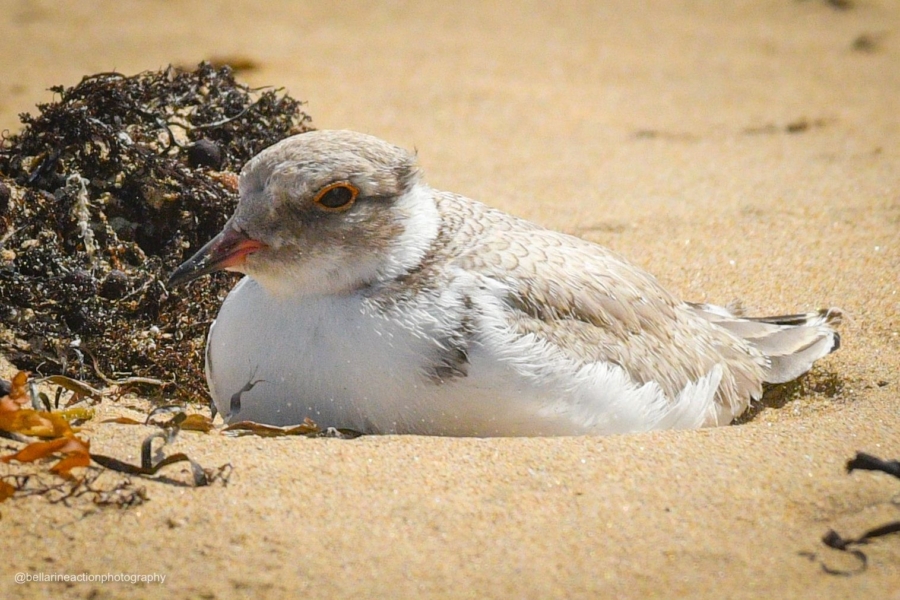
Hoodies nest directly on the sand, and their tiny, camouflaged eggs can be almost impossible to spot. They’re also easily disturbed, so please give them plenty of space.
🩵 Keep close to the waterline
🩵 Keep dogs on lead near nesting areas
🩵 Stay outside fenced or roped-off areas
Six little eggs – fingers crossed we`ll see some little chicks! 🐣
#HoodedPlovers #BarwonCoastHoodieWatchOpen post by barwoncoast with ID 18088144943208650
💙 Happy Father’s Day!
Wishing a very happy Father’s Day to all the wonderful fathers and father figures in our community!
If you’re looking for something fun to do with Dad today and haven’t, ahem, made a solid plan yet… why not swing by the Barwon Coast Discovery Centre in Barwon Heads? 🐚
Housed in the historic Lobster Pot, there’s plenty to explore – from local marine life and wildlife to geology, shipwrecks and local history.
🦀 Open today, 1–4pm
📍 Jetty Road, Barwon Heads
🌊 Free entry – all ages welcome
Perfect for a little Father’s Day wander by the coast.
More information: https://barwoncoast.com.au/about-the-coast/barwon-coast-discovery-centre/Open post by barwoncoast with ID 18117019076289796
Species spotlight: Sooty Oystercatchers 🖤❤️
Have you spotted a Sooty Oystercatcher along our coast?
With their striking all-black plumage, long red bill and bright red eyes, these distinctive shorebirds are amazing to spot along our coast – although their dark colour can make them tricky to see against the basalt of our coastal reefs.
📸 A big thank you to Rod Morrison for these fantastic photos!
Got a great photo of local wildlife? We’d love to see it – share it with us in the comments or send it our way.
And if you’d like to learn more about the birds you might spot around Barwon Bluff, our friends at Friends of the Bluff Barwon Heads have put together some great information.
👉 Check out their Sky – Birds page: https://www.barwonbluff.com.au/sky-birds/
A quick reminder about bird flu: If you come across sick or dead birds along the coast, please don’t touch or handle them. Keep your distance, keep dogs away and report sightings to the relevant authorities. Reports of sick and dead birds are important in helping authorities monitor for avian influenza. More info: agriculture.vic.gov.au/birdfluOpen post by barwoncoast with ID 18405996016095836
🌊 The Barwon Coast Discovery Centre is back from this Sunday! 🐚
After a winter break, the doors of will be open this Sunday, and there’s plenty to discover inside.
Drop in and explore the stories of our coast – from local marine life, plants and wildlife to geology, shipwrecks and local history. You can also have a chat with one of the wonderful Friends of The Lobster Pot volunteers, who always have plenty of knowledge to share.
🦀 Open Sundays, 1–4pm
📍 Jetty Road, Barwon Heads
🌊 Free entry – all ages welcome
Come in, have a look around and discover something new about the coast .
More information: https://barwoncoast.com.au/about-the-coast/barwon-coast-discovery-centre/
#BarwonCoast #BarwonHeads #DiscoveryCentreOpen post by barwoncoast with ID 18119837329925682
🌸 Hello, spring! 🐝
As we welcome a new season, we’re feeling pretty lucky to experience this special stretch of coast in all its seasons.
There’s a lot to love about a coastal winter – wild seas, moody skies, quiet beaches and those crisp, clear days. But we’re also happy to see the first signs of spring appearing across the coastal foreshore.
Coastal plants are starting to flower, warmer days are sneaking in (along with some pretty hectic rain!) and Hooded Plover breeding season is underway once again. Please keep your fingers crossed for a successful season for these vulnerable little birds. 🤞🐦
Here’s to spring on the coast – new life, changing landscapes and plenty more wild weather along the way. 🌿🌊Open post by barwoncoast with ID 18223003876335922
We have Hooded Plover nest lift-off! 🥚
We have discovered this little nest on 13th Beach (Black Rock end) and are hoping to see a little family here in around four weeks` time. Our keen-eyed staff have also noticed scrapes (Hoodies usually lay their eggs in shallow scrapes in the sand) at Stingray Bay, Breamlea, and near @13thbeachslsc - exciting!
When enjoying the coast, beachgoers are asked to help protect this nest by:
🩵 Walking close to the waterline
🩵 Keeping well clear of fenced or roped-off areas
🩵 Keeping dogs on-lead and away from sensitive dune areas
🩵 Giving the birds plenty of space so they do not abandon their eggs
Every small action helps give Hooded Plovers the best chance to hatch and thrive. Thank you for taking care on our beaches.Open post by barwoncoast with ID 18079966946333677
🏡 The final two cabins are arriving!
The last two cabins for our new cabin precinct at Barwon Heads Caravan Park are due to arrive late tonight, Tuesday 25 August.
The cabins will be parked along Jetty Road overnight before being moved into position tomorrow morning.
To allow this to happen safely, the main caravan park entrance will temporarily close for a couple of hours, with guest vehicle access redirected via the temporary Bluff Road entrance.
There may also be temporary parking restrictions and delays along Jetty Road while the cabins are manoeuvred into position.
Thanks for your patience while we get the final two cabins into place!Open post by barwoncoast with ID 18153739003506532

This is Wadawurrung Country. We acknowledge the Wadawurrung People as the Traditional Owners of the land, waters, seas and skies of Ocean Grove, Barwon Heads, 13th Beach, Black Rock and Breamlea. We honour and say Nyatne to Elders past, present and future whose ancestors, for thousands of years, have cared for this part of Dja (Country). We are committed as an organisation to meaningfully work together with Traditional Owners to make Wadawurrung Culture and Country strong.
© 2026 Barwon Coast. Website by Residency Studios.
- Get Involved
- Access & Use
- Our Work
- Who We Are