Find out more
Contact Barwon Coast at the following

3 November 2026
Two nests have failed and two remain along our coastline.
3 November 2026
Barwon Coast has launched its new Foreshore Master Plan, setting a shared direction for the management of 22 kilometres of coastline over the next 15 years.
26 October 2026
Two nests have failed and two remain along our coastline.
26 October 2026
Expressions of interest are now open for temporary summer food vendor permits across Barwon Coast Caravan Parks from 19 December 2026 to 31 January 2027.
15 October 2026
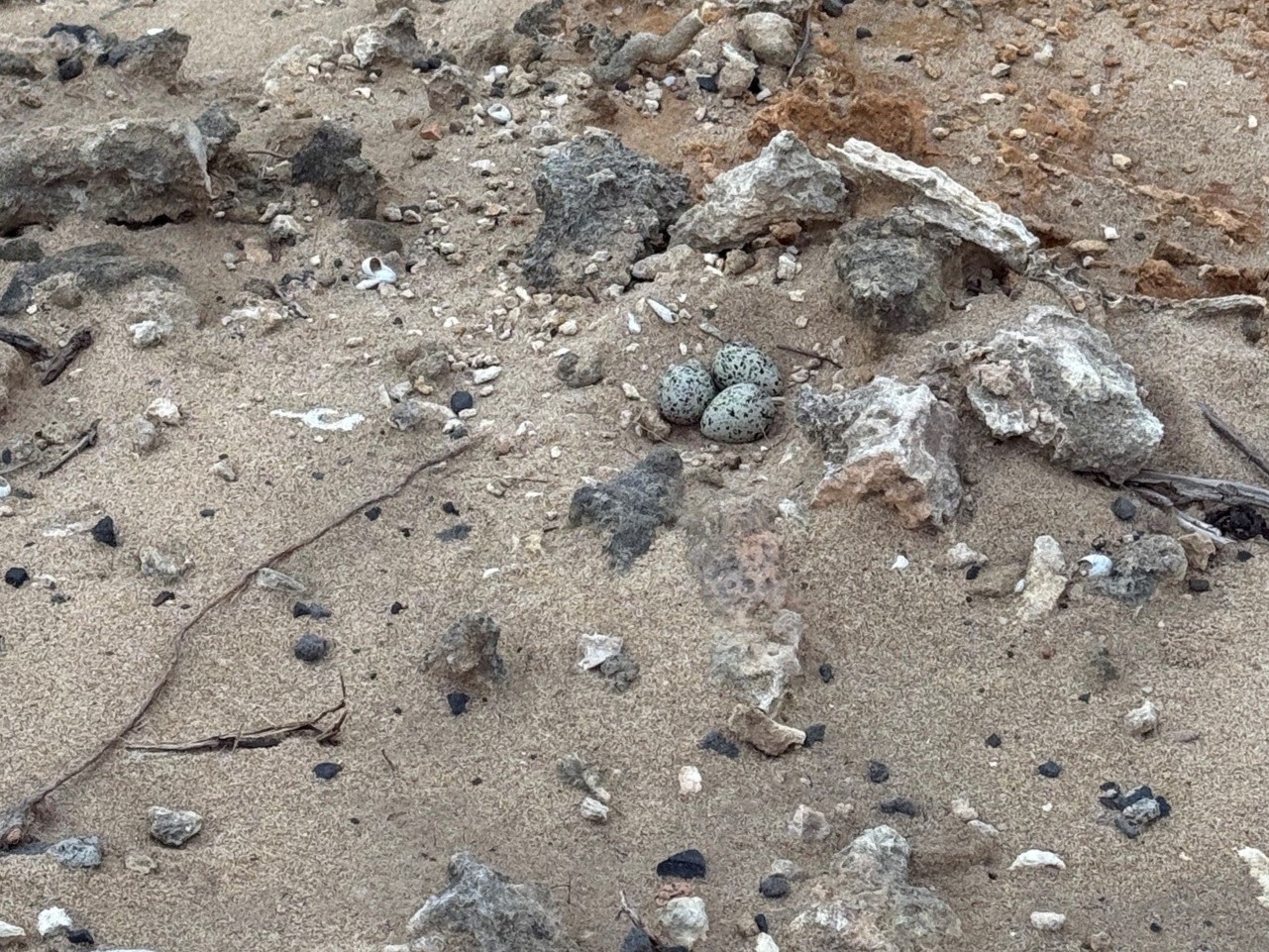
Great news for Hooded Plovers, with two new nests identified at Thirteenth Beach
Published on 3 November 2026
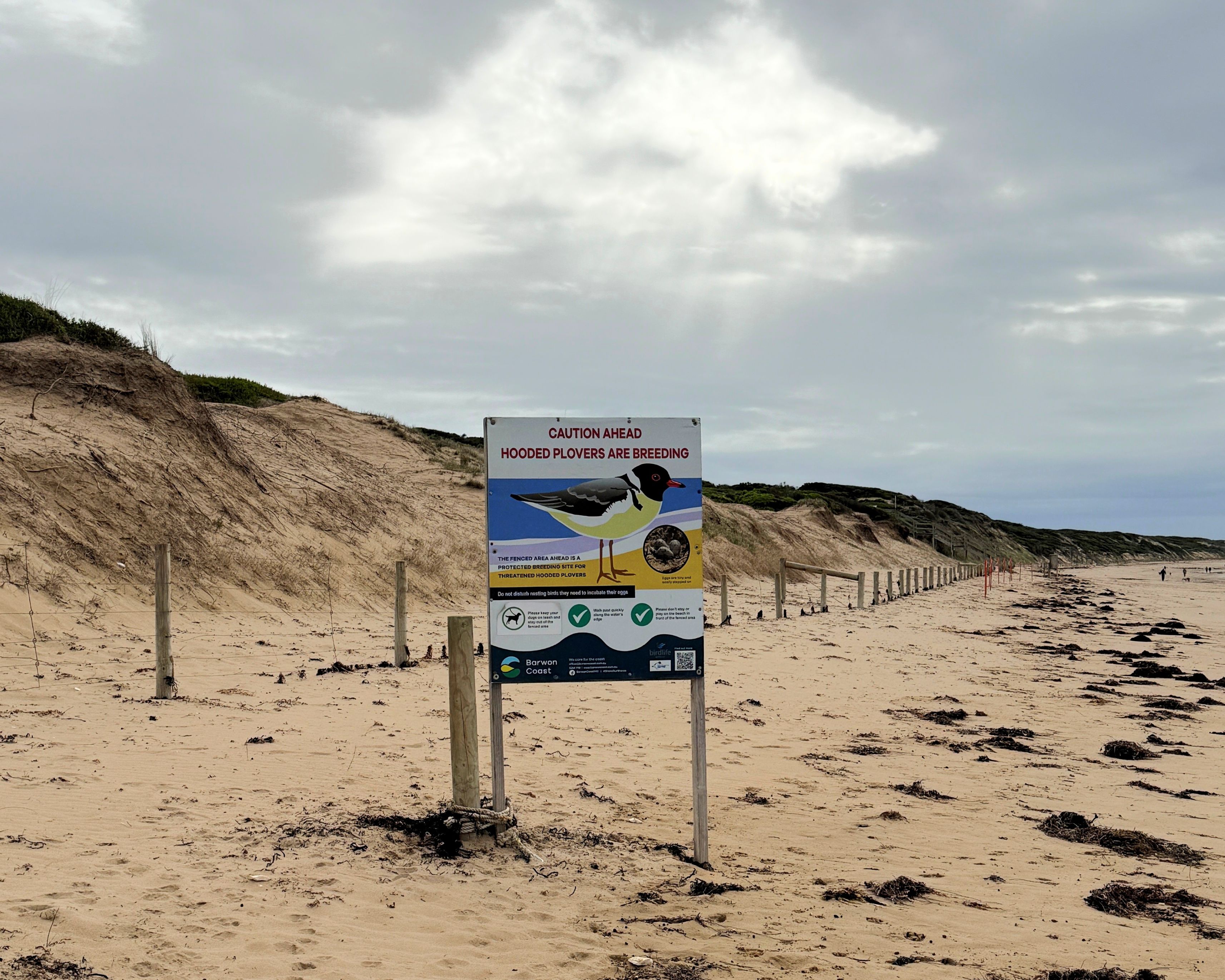
Barwon Coast is continuing its three-phase Hooded Plover protection trial, with one active nest remaining along our coastline and chicks expected to hatch any day now.
There is currently one active Hooded Plover nest along the Barwon Coast, following the unsuccessful outcome of a nest between the Wedge Street and Tuckfield Street beach accesses in Ocean Grove.
The remaining nest, located at Barwon Bluff South, is in the final stages of nesting, with eggs expected to hatch any day now.
If the eggs hatch successfully, a temporary exclusion zone will be introduced to give the chicks the best chance of survival. This will involve temporary beach access restrictions, with signage in place to help beachgoers plan their visits.
We encourage everyone visiting the area to follow local signage, keep their distance from nesting birds and keep dogs away from protected sites.
During the 2026–27 breeding season, Barwon Coast is trialling a new three-phase approach to protecting Hooded Plovers at selected high-risk nesting sites.
The trial involves adjusting protection measures as birds progress through the different stages of nesting, from establishing a nest and laying eggs through to chicks hatching.
The aim is to improve breeding success for these vulnerable shorebirds while balancing conservation needs with community access to our beaches.
The trial will help us understand how different protection measures work in practice and inform future management of Hooded Plover nesting sites.
We’re inviting community members and beachgoers to share their feedback on the three-phase protection trial.
Whether you’ve noticed changes to signage, encountered temporary beach access arrangements or have suggestions for improvement, we’d like to hear from you.
Your feedback will help us understand what’s working well, how effectively we’re communicating protection measures and what could be improved in future breeding seasons.
We’ve introduced a dedicated Hooded Plover email update to help community members stay informed throughout the breeding season.
Subscribers will receive updates as news arises, including new nests, chicks hatching, successful fledglings and, unfortunately, occasions when nests or chicks don’t survive.
We’ll also share information about temporary protection measures and beach access changes to help you plan your visits.
A special thank you to the Friends of the Hooded Plover – Bellarine volunteers for their ongoing monitoring and dedication to protecting these vulnerable shorebirds.
Barwon Coast has launched its new Foreshore Master Plan, setting a shared direction for the management of 22 kilometres of coastline over the next 15 years.

Expressions of interest are now open for temporary summer food vendor permits across Barwon Coast Caravan Parks from 19 December 2026 to 31 January 2027.
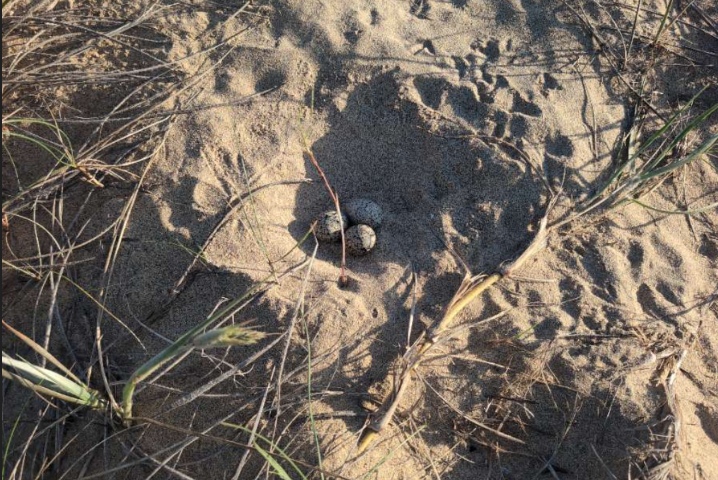
Great news for Hooded Plovers, with two new nests identified at Thirteenth Beach
Have you checked out our final Foreshore Master Plan yet? 🌊
Take a closer look at the Knowledge Map – a beautiful illustration connecting cultural knowledge, Country, community values, and nature.
A huge thank you to Wadawurrung artists Billy-Jay O’Toole (@papul_art) and Alisha Fagan (@warribagurrk), who collaborated with @hatchdesign__ and Barwon Coast to bring this piece to life. 💙
Explore the Plan 👉 https://barwoncoast.com.au/foreshoremasterplan/

We`re hiring! 🌿
Looking for your next opportunity? We have four positions available across the Barwon Coast team.
If you`re passionate about our coast and community, we`d love to hear from you!
Explore the roles and apply via our website (link in bio)
💙 Trialling a new approach to Hooded Plover protection
The trial will see protection measures increase as the birds move into the late nesting phase and raising chicks. The aim is to give these vulnerable shorebirds the best chance of successfully raising their young, while balancing beach access for everyone.
The aim is to give these vulnerable shorebirds the best chance of successfully raising their young, while balancing beach access for everyone.
You may notice changes to signage, temporary fencing and beach access arrangements as the breeding season progresses.
💙 Every little action helps. Please follow signs, keep your distance from nesting areas and keep dogs away from protected sites.
Find out more about the trial and how you can help protect our Hooded Plovers via the `Recent Projects` section of our website.
Photo by Rod Morrison
🌊 Our coast. Our shared direction.
22 kilometres. 15 years. More than 1,200 voices.
After almost two years of listening, learning and planning, our Foreshore Master Plan is here.
You shared your knowledge. You told us what matters. You gave us feedback on the Draft Plan – and we made lots of changes in response.
Now we have a shared direction for the future of our coast, and it’s time to begin putting it into action.
Thank you to everyone who helped shape the Plan. 💙
Explore the Plan and what happens next via the link in our bio.
🐣 Hooded Plover update – two active nests
Mixed news for our Hooded Plovers, with two nests still active at Barwon Bluff South Dune and Wedge Street/Tuckfield Street, while nests at 13th Beach – Boings and The Ant – have unfortunately been unsuccessful.
The Barwon Bluff South Dune nest is expected to hatch in just over a week, with temporary beach closures to follow.
🐾 We share nesting locations so you can plan your beach visits – whether that`s choosing a different walking track, walking along the waterline or knowing where dogs need to be on lead.
A few small changes can make a big difference to these vulnerable little birds.
Thanks to Friends of the Hooded Plover – Bellarine for their ongoing care and monitoring.
👉 Find a full update on our website news section.
If you have a bird bath in your backyard, you can help reduce the risk of spreading H5 bird flu by keeping it clean. 🐦
Regularly clean and disinfect bird baths, refresh the water often and wash your hands after handling them.
Where possible, keep pets away from bird baths and other places where wildlife gathers.
If you see sick or dead birds or wildlife:
✅ avoid direct contact
✅ record the exact location and what you observed
✅ report it online
🔗agriculture.vic.gov.au/birdflu
⚠️ Barwon River water quality
We`ve received advice from @barwonwater that people should avoid unnecessary contact with the water in the Barwon River until further notice.
Sewer spills have occurred in Belmont, Breakwater and Highton that have likely impacted the quality of the water in the Barwon River. Recreational users are advised to avoid unnecessary contact with the water.
Barwon Water is undertaking water quality testing and will provide further updates via their website when results are available.
For more information or enquiries, please visit the Barwon Water alerts and updates page.
🖤💛 Have you heard the call of a Yellow-tailed Black-Cockatoo?
You might hear them before you see them! With their distinctive, drawn-out calls, striking yellow cheek patches and bright yellow tail feathers, Yellow-tailed Black-Cockatoos are a spectacular sight in our coastal skies.
These beautiful birds are found across south-eastern Australia, including here on the Bellarine Peninsula.
🌿 Did you know?
Yellow-tailed Black-Cockatoos love feeding on seeds from banksias, hakeas and she-oaks. They`re also known to tear apart pine cones in search of a tasty meal!
They rely on large hollows in mature trees for nesting, making the protection of native vegetation and old trees incredibly important.
Sadly, habitat loss has contributed to declines in their populations, reminding us why caring for our natural environments matters.
Next time you`re out enjoying our coast, keep your eyes to the skies and your ears open!
Learn more from our friends at @birdlifeoz via their website.
H5 bird flu has been detected in some Victorian wetlands.
Boating and fishing can continue as normal in most areas.
If there has been a recent mortality event, avoid activities that could expose you to contaminated water, including swimming, wading, fishing and boating.
✅ Avoid direct contact with sick or dead birds
✅ Wash your hands thoroughly after visiting areas where wild birds gather
✅ Supervise children and pets around affected areas
For more information, visit agriculture.vic.gov.au/birdflu
🥚 A little egg-citing news from Ocean Grove!
A new Hooded Plover nest has been reported along Ocean Grove Beach, between Wedge Street and Tuckfield Street! 🐣
These tiny shorebirds nest directly on the sand, making their eggs incredibly vulnerable to disturbance.
If you`re heading to the beach, please give our little beach-nesting locals the best chance of success by keeping your distance, following signage and keeping dogs away from nesting.

This is Wadawurrung Country. We acknowledge the Wadawurrung People as the Traditional Owners of the land, waters, seas and skies of Ocean Grove, Barwon Heads, 13th Beach, Black Rock and Breamlea. We honour and say Nyatne to Elders past, present and future whose ancestors, for thousands of years, have cared for this part of Dja (Country). We are committed as an organisation to meaningfully work together with Traditional Owners to make Wadawurrung Culture and Country strong.
© 2026 Barwon Coast. Website by Residency Studios.